Welcome 2015. Hope this year is better than last year. More glorious and more adventures.

Tuesday, January 27, 2015

Tuesday, September 30, 2014
Body language
18 Body-Language Tricks To Make A Great First Impression
How you sit says a lot about you.
Research shows that 60 to 90% of our communication with others is nonverbal, which means the body language we use is extremely important.
In addition, it's especially important to make a good first impression. Why? Because within the first few minutes of meeting someone, we are already making decisions about what the other person's intentions are, and whether or not the person is credible and someone we want to do business with.
Therefore, the way you present yourself — especially the way you communicate nonverbally in those first few crucial minutes after meeting someone new — could make or break what could potentially be a very important business relationship.
Here are 18 ways you can use your body language to communicate your credibility and intentions in a way that will set you up for success every time.
Positive body
1. Begin with your posture — back straight but not rigid, and shoulders relaxed so you don't look too uptight.
2. Align your body with the person you're talking to — this shows you're engaged.
3. Keep your legs apart a bit instead of crossed — this demonstrates that you're relaxed, and research shows that you retain more information when you keep your legs uncrossed.
4. Lean in a bit — this shows focus and that you really are listening.
5. Mirror the body language you are observing, showing you are in agreement and that you like — or are sincerely trying to like — the person you are with.
Positive arms and hands
6. Keep your arms relaxed at your sides, showing you are open to what someone else is communicating, and as with your legs, keep your arms uncrossed in order to absorb more of what's going on.
7. Use your hands to gesture when you speak — this improves your credibility with the listener. In addition, there is evidence that gesturing with your hands while speaking improves your thinking processes.
8. Always remember to greet others with a firm handshake — but not too firm. A firm handshake is probably one of the most important body language moves, because it sets the tone for the entire conversation. Who wants to shake hands and then have a conversation with a wet noodle?
9. Be aware of different cultural greetings and closures prior to your meeting.
Positive head
10. With appropriate nods and genuine smiles, you are showing the speaker that you understand, agree, and are listening to his or her opinions.
11. Laughter is always a great way to lighten the mood when used appropriately, and once again, it shows you're listening.
12. Keep good eye contact by looking the person in the eye when he or she is communicating. Keep eye contact going when you speak, because this shows you are interested in the conversation. Watch your eye contact, though — if you don't take breaks to contemplate your next answer, your eye contact could be viewed as staring (translation: aggressive or creepy).
13. Beware of blinking too much. Rapid blinking could communicate that you are feeling uncomfortable with the current conversation.
14. Mirror the other person's facial expressions, because once again, this demonstrates that you are in agreement and like — or are making an effort to like — the other person.
15. Monitor your voice. Keep it low, and don't end every sentence as if it's a question. Take a deep breath and speak slowly and clearly.
The little extras
16. During your meeting, take notes. This will demonstrate that you are engaged and care about what the other person is saying, but remember to make eye contact regularly so the speaker knows you're still with him or her.
17. Watch the body language of others, as they may be communicating to you through their body language that they would like to conclude the meeting. People are much more likely to engage you in future conversations if you observe and act on their body language cues.
18. End the meeting with a firm handshake and eye contact, showing you enjoyed your time and hope to meet again.
This is what I read today. Good advice and its help me to meet people more confident.
Friday, May 3, 2013
Friday, February 1, 2013
Are e-Cigarettes Safer Than Real Cigarettes?
i just read this from website. i dont know exactly how the dangerous using this e-cigarette. just readand enjoy it :)

The burning debate continues about the safety of electronic cigarettes, popularly called e-cigarettes. The big question is: are they a safer substitute to real cigarettes?
The major difference between the two types is pretty straightforward. A conventional cigarette burns tobacco whereas the e-cigarette uses a battery-propelled heat to vaporise odourless propylene glycol or varying amounts of nicotine contained in a cartridge. The vapour is then inhaled by a user, without involving any real smoke.
Mired in controversies
Invented by Chinese pharmacist Hon Lik in 2003, e-cigarettes were introduced to the market a couple of years later, sparking one controversy after another. The American Food and Drug Administration (FDA) had threatened to ban their sale and almost half-a-dozen anti-smoking groups have vehemently opposed them. The main concern being its safety and the way it’s being marketed towards children and teenagers.
Lobbyists representing tobacco companies have urged the FDA to take serious action against e-cigarettes manufacturers and ban their sale, fearing a threat to their profits.
Nicotine in a liquid form can be dangerous, especially if it comes in contact with the skin. And there are some uncertainties about the long term use of propylene glycol too.
Since their inception into the global market, regulators have urged the e-cigarette manufacturers to re-evaluate their safety measures. They fear that not much research has been undertaken to know what chemicals or toxins are generated in the vapours from e-cigarettes.
Scientists have expressed their doubts about lack of health warnings on the package and environmentalists are concerned that not enough precaution is being taken to dispose of e-cigarettes and its accessories, which could pose an environmental risk of nicotine contamination.
Marketing Concerns
It’s the marketing of e-cigarettes that has faced a lot of heat. Experts have raised serious concerns that could increase nicotine addiction amongst younger generation and could potentially lure kids to try tobacco-related products.
Anti-tobacco aficionados argue that e-cigarettes may prompt adolescents to give it a try for the first time, as they come in luring flavours such almond, cherry, chocolate and fruit. The fact that they are shaped and look like a normal cigarette, promotes the social appeal of smoking. As they can be purchased online, it is deemed to be misused by the minors.
Banned in several countries
In 2010 the Tobacco Regulation raised several warnings about e-cigarettes. Countries such as Canada, Brazil, Thailand, Hong Kong and Saudi Arabia have banned e-cigarettes.
However, in United Kingdom the sale and use of e-cigarettes is legal.
FDA’s perspective
Although FDA has not fully assessed e-cigarettes for safety or its usefulness, but having conducted laboratory studies of certain samples, it has found that quality control processes used to manufacture are inadequate. The FDA has also found irregularities in e-cigarette cartridges that confuse the user with regard to the amount of nicotine contained in it.
However, at end of 2010 FDA formally regulated e-cigarettes on the premise that they are marketed as both a drug and a drug-delivery device.
A professor from Boston University identified the contents in e-cigarette liquid and vapours and found that the carcinogen levels in e-cigarettes are up to 1000 times lower than in conventional cigarettes.
Top e-cigarette brands have started using warning labels as their products do contain nicotine.
Acts as a weaning device
E-cigarette manufacturers have suggested that many regular smokers have found ways of reducing or quitting their smoking habit after trying e-cigarettes. And the varying levels of nicotine acts a weaning device too. It is claimed to be clearly healthier when compared to the number of chemicals present in tobacco smoke.
University of East London carried out a research and concluded that e-cigarettes can be useful in reducing nicotine-related withdrawal symptoms temporarily.
Although we still are not completely sure about the safety of e-cigarettes but we certainly know the harmful effects of regular smoking.
copy from :http://healthlifeandstuff.com/2011/03/are-e-cigarettes-safer-than-real-cigarettes-2/
Wednesday, May 2, 2012

Tuesday, November 29, 2011
debate
hye you all.. it take me a long day to think to update my blog.i think more than a month i keep silent to not update my blog because lately i'm busy of my work. :( sorry again because make u all wait to read my blog :) this saturday i'm participate debate at kajang and the task is "good or bad using the internet for muslim". the task i think is very simple but the truth is it make me feel sick because i need to think the different way how to answer the task given. hope this saturday i can debate the task easily. :) hope you all can help me to find the answer :o
Sunday, July 31, 2011
ramadan

hi there... today i want to share to all reader about Ramadan and the definition About Ramadan. Ramadan is the ninth month of the Islamic calender, which lasts 29 to 30 days. it is the Islamic month of fasting, in which participating Muslims refrain form eating and drinking. during the daylight hours and is intended to teach Muslims about patience, spirituality, humility and submissiveness to Allah. Muslims fast for sake of Allah and to offer more prayer (solat) than usual. compared to the solar calender, the date of Ramadan vary, moving backwards by about eleven days each year depending on the moon. thus a person will have fasted everyday of the calender year in 34 years' time. Muslim believe Ramadan to be an auspicious month for revelation of Allah humankind, being the month in which the first time verses of the Quran were revealed to the prophet Muhammad.
tomorrow is a ramadan for all muslims in the world first thing i want to say happy ramadan to all.
Wednesday, May 25, 2011
blank
it a long time for me not updating this blog because of no issue to post it.. today still and still dont have an idea to share with you guys but maybe in anytime will post the latest. see ya. :)
Sunday, April 24, 2011
halal and melamine
hello blogger,
this might be interesting to you because maybe one of os had ate this one. make sure you all take it very seriously. i got this information from my friends and from my reading. those day until today the china milk poisoning incident make everyone afraid to look at the daily news report(news paper also)
everyday, the reports are changing. no one can clearly tell us what to eat and what not to eat.
1. what really is poisoned milk?
-it is milk powder mixed with " MELAMINE"
2.what is melamine used for?
- it is an industrial chemical used in the production of melawares.
as a muslim also we must aware about the the halal product because nowadays certain fatories is taking advantages in our country to manupulate the halal logo. we also must always visit the halal malaysia every week to see ourself about the product realese in the market.

halal logo
to know all about halal food or product we go to this website. please click below and u will get the information
Tuesday, April 19, 2011
Exercises For Every Mood

when i read to the blog, i was read about this blog that saying exercise for every mood. so today as usual i want to share to reader about it. When you exercise, your brain releases a slew of feel-good chemicals that help you feel motivated, calm and inspired for life. So if you're feeling stressed, tired or pissed off try our expert fitness moves that can put a smile back on your face. Pronto.Try these specific activities the next time you feel anxious or down-in-the-dumps!
MOOD: Stressed out or anxious

High-energy exercise, such as boxing and martial arts, provide an effective release of negative emotions. "To keep stress hormone levels under control, any exercise that's aerobic, upbeat that stimulates circulation is excellent," says Stephanie Vitorino, Group Fitness Manager for Equinox Fitness in Woodland Hills, CA. Studies show effective ways to reduce the stress hormone "cortisol" includes deep-breathing techniques, meditation and 30 minutes of any enjoyable and non-competitive aerobic activity, including kickboxing and indoor cycling.
What also helps:Try 30 to 60 minutes of mood-enhancing yoga or circuit training with weights that helps relax your body and mellow your mood.
MOOD: Fatigued or lethargic

A review of 12 studies on the connection between exercise and fatigue measured the amount of physical activity that participants were doing and how much fatigue the participants experienced. All studies found a direct link between reduced fatigue and more active exercise! You don't need to run a marathon to pump up your stamina, says Vitorino. "Just 20 minutes of power walking, vigorous bike riding or dynamic rounds of yoga Sun Salutations can do wonders." "Music wakes you up too, so create a go-to playlist of songs that propel you to exercise," Vitorino says.
What also helps:The trick is to simply start exercising when you feel slow or sluggish. In extreme cases, start with moves where you can actually lie down, such as mat Pilates or sports stretching. Soon, you'll progress to more intense activities.
MOOD: Unfocused or ill-at-ease

A bounty of evidence supports the claim that exercise improves your ability to think more clearly. Last year, Dr. Phillip Tomporowski, an exercise scientist at the University of Georgia, reviewed dozes of scientific papers that compared how a bout of exercise affects cognitive performance on various mental tasks and concentration. Dr. Tomporowski, and avid triathlete, narrowed down the optimal prescription to 20 to 30 minutes of aerobics such as power walking, running, and swimming. "A short bout of cardio is enough to unlock a mental block," says Dr. Tomporowski. A lunchtime walk around the 'hood, a kickboxing class or a game of tennis is beneficial.
What also helps: "Do something that actually focuses you to a particular task at hand, such as balance training with a BOSU or racquet sports for hand-eye coordination," says Vitorino, the creator of the best-selling "Body Target 60" DVD(amazon.com).
MOOD: Sad or melancholy

Treating the blues is as easy as lacing up your sneakers for a run or a walk around the track, say our experts. "Working out with an empathetic buddy or heading outside for a sunny sail or bike ride can battle a slump," says Vitorino. Just 30 to 45 minutes of steady exercise--from elliptical training and stair climbing to karate and cross-country skiing--keeps the stress off your joints, and burns mega-calories. "When I'm too sad to exercise solo, I call a friend and go for a hike-connecting with nature is a great way to feel less miserable!" says Vitorino.
What also helps:Dance DVDs or a yoga class can also boost the blues. Vitorino says, "Tap into exercise variety and try something new, which will shake up your workouts and your body!"
MOOD: Unmotivated or sleepy

Researchers at Seattle's Fred Hutchinson Cancer Research Center studied the beneficial effects of moderate-intensity activity on sleep quality, and found that the amount of exercise (more is better) and the time of day you exercise (earlier is better) are more important than the type of exercise. Head researcher Dr. Anne McTiernan, found that women who walked or biked at a moderate intensity for 30 minutes every morning (seven days per week) were less sleepy than those who exercised less. Conversely, women who performed evening exercises experienced no improvement in sleep onset or quality. So, do 30 minutes of moderate activity (where you're breathing hard but not overdoing it) before noonevery day to fight ennui.
What also helps: "Moderate weight lifting also increases metabolism and boosts your mood," Vitorino says. Exercise early and do something everyday to get happy, balanced and motivated for life!
Friday, April 15, 2011
you should eat curry

i love to eat curry as malaysia is norm to us to eat curry. many typical curry ingredients can help battle cancer and heart problems. to make most of the benefits, swap creamy kormas for tandori chicken or dish (yummy) and ditch pilau rice. all around the world nowadays know that about the curry and it benefits. this are 10 reason why you all must eat curry and it can make us more healthier. lets share the benefit of eating curry. :)
Help heart health
TOMATO-based curries contain health-boosting antioxidant lycopene.
Eating cooked toms regularly can help prevent the formation of blood clots, lowering the risk of heart attacks and strokes by as much as 48 per cent.
Curry powder, paprika and thyme may also help cut heart disease risk as they contain salicylic acid, thought to stem inflammation in the blood vessels that could otherwise lead to hardening of the arteries.
Lose weight
SEVERAL studies have shown that capsaicin, found in spices such as chilli, can raise the metabolic rate by up to 50 per cent for as long as three hours after you eat a curry by raising the heart rate (which does also explain those curry sweats).
Fight cancer
ACCORDING to Dr Lesley Walker of Cancer Research UK, there is mounting evidence that curcumin - found in most curries - may be able to block or even shrink tumours.
Researchers at Leicester University's oncology department found that eating foods rich in curcumin may prevent many cancers, including those of the breast, prostate and colon.
Boost immunity
NO curry would be complete without a generous helping of garlic. Research shows that garlic contains allicin, which is antibiotic, anti-fungal and may even be antiviral, helping you ward off bugs before they strike.
A strong immune system is key to fighting infection and illness. And, as garlic is a potent mucus fighter, it can also be used to combat colds and flu.
Keep brain sharp
TURMERIC may be an effective treatment for Alzheimer's disease. The brain condition is associated with a build-up of "knots" called amyloid plaques in grey matter. A chemical in turmeric can reduce the build-up of these knots by up to 50 per cent.
Turmeric has also been found to improve memory, aid digestion, reduce inflammation, fight infection and guard against heart attacks.
Duck a cold
THE spices in many curries have anti-viral properties that help to fight colds.
Professor Ron Eccles from the Common Cold Centre in Cardiff said: "They also help trigger the body's natural defences by producing extra mucus to trap the virus and soothe inflamed passages. Eating spicy dishes also clears the nostrils and gets rid of that 'bunged-up' feeling, helping sufferers recover more quickly."
Max your minerals
DIETICIAN Dalhia Campbell says: "Lean red meat in curries is an excellent source of vitamins and key minerals, including zinc, selenium and potassium.
"Zinc is vital for growth, healing and a healthy immune system. Selenium helps protect cells from free radical damage so may ultimately help reduce the risk of cancers and heart disease.
"Potassium helps to regulate fluid balance in the body."
Ease arthritis
GINGER - an ingredient common in curries - contains an antioxidant called zingerone.
This reacts with free radicals that can cause tissue damage and joint inflammation, nullifying their effect and therefore helping to reduce the pain of arthritis.
Chilli has also been shown to be a powerful painkiller, so you get a double whammy.
Lower cholesterol
ONIONS and garlic contain high levels of sulphides, which many experts believe can lower cholesterol and blood pressure and help "thin" the blood, minimising the risk of clotting.
Also, onions contain a compound called quercetin which promotes "good" HDL cholesterol.
Researchers in Hong Kong found red onions could reduce bad cholesterol levels in hamsters by 20 per cent.
Cut blood pressure
CORIANDER - another common ingredient of Indian and Thai curries - contains high levels of antioxidants that help to lower high blood pressure and prevent the formation of cancer-causing free radicals.
Thursday, April 14, 2011
papermint tea

Peppermint tea is a very beneficial herb product, which does well alone but can also be mixed with other herbal and non-herbal teas. Peppermint is a cross between spearmint and water mint and has a very high level of natural menthol. The strong mint aroma and flavor in the tea is a direct result of the menthol for which the peppermint herb has a very strong content.
Peppermint tea is normally found growing wild in Europe and is used in a variety of everyday things such as candies, chewing gum, ice cream and even in soaps and shampoos. But the most common use of the peppermint herb is to make peppermint tea which is made by bringing natural spring water, or better yet, distilled water to a boil and pouring it over the fresh peppermint leaves and letting it steep for approximately 7 minutes.
When the tea is prepared in the manner above it produces a strong aroma yet it has a sweet refreshing flavor which is not overpowering but goes down very smooth and leaves a cool aftertaste on the palate. It can be enjoyed as a hot or cold beverage.
What are the Health Benefits Of Peppermint Tea?
Some of the known health benefits of peppermint tea are that it can help with digestion and is useful for treating and soothing upset stomachs. Another property of peppermint is that it also prevents the growth of certain types of bacteria. Peppermint tea is also a known muscle relaxer in addition to the fact that it is good for the skin, produces fresh breath, treats headaches and sinuses, and also fights gingivitis.
Peppermint has also been shown to relax and help reduce the abdominal pain caused by irritable bowel syndrome while promoting better digestion. It is not hard to find peppermint tea because it readily available in most health foods stores in its loose-leaf form.
When the tea is prepared in the manner above it produces a strong aroma yet it has a sweet refreshing flavor which is not overpowering but goes down very smooth and leaves a cool aftertaste on the palate. It can be enjoyed as a hot or cold beverage.
What are the Health Benefits Of Peppermint Tea?
Some of the known health benefits of peppermint tea are that it can help with digestion and is useful for treating and soothing upset stomachs. Another property of peppermint is that it also prevents the growth of certain types of bacteria. Peppermint tea is also a known muscle relaxer in addition to the fact that it is good for the skin, produces fresh breath, treats headaches and sinuses, and also fights gingivitis.
Peppermint has also been shown to relax and help reduce the abdominal pain caused by irritable bowel syndrome while promoting better digestion. It is not hard to find peppermint tea because it readily available in most health foods stores in its loose-leaf form.
p/s: papermint tea is a good for our health and life. this what i'm sharing to you about the papermint tea. enjoy your reading :)
Wednesday, April 13, 2011
tea

What exactly are the health benefits of tea? Since tea is the second most consumed beverage it is exciting to know that the health benefits of tea are numerous. There are health benefits to be found in black tea, pureh tea, rooibos tea, herbal tea and tisanes. This is what i'm read today about tea. Since black tea, white tea, green tea and oolong tea all come from the same evergreen plant, there are many similarities in their amazing health benefits.

What are the health benefits of black tea?
There are many. Black tea contains phytochemicals. These "phytochemicals" have no nutritional value but they help to fight disease. The most well known types of phytochemicals are lycopene found in tomatoes and flavonoids found in fruit. They are antioxidants that attack "free radicals". The health benefits of black tea include lowering cholesterol, boosting the immune system, reducing the risk of several types of cancer, and preventing heart attacks. Another health benefit of black tea is fluoride. Yes, drinking black tea even helps to prevent cavities.

green tea?
Green tea has the same health benefits as black tea since it comes from the same plant. Green tea has additional health benefits. According to the Mayo Clinic, 2004, green tea has a component that helps to kill leukemia cells. This is a major green tea health benefit. Green tea has also been found to help people lose weight.

white tea?
White tea is also made from the same plant as black tea so what would be the health benefits of white tea? White tea also has the health benefits of as black tea but has three times more antioxidants than either black tea or green tea. These are the same antioxidants that have shown to help with aging, sagging skin and wrinkles. Drinking white tea is great for your skin and body.
Tuesday, April 12, 2011
tomato
everyday we eat the tomato at the food or we eat just like that.. but we only know how to eat but knowing a little bit of knowledge of health benefit of the fruit. so this is why i'm sharing the benefit to human being who eat it..

Solanum lycopersicum
Nutritive Values of Tomato : Per 100 gm.
- Vitamin A : 1,000 I.U.
- Vitamin B : Thiamine .06 mg.;
- Vitamin C : 23 mg.
- Vitamin K : amount uncertain
- Calcium : 11 mg.
- Iron : .6 mg.
- Phosphorus : 27 mg.
- Potassium : 360 mg.
- Protein : 1.0 gm.
- Calories : 20
Health Benefits of Tomato
- A large consumption of tomato can help improve skin texture and color.
- Tomato is a good blood purifier.
- Tomato helps in cases of congestion of the liver (protects the liver from cirrhosis) as well as for dissolving gallstones.
- Tomato is a natural antiseptic therefore it can help protect against infectionNicotinic acid in tomatoes can help to reduce blood cholesterol, thus helps prevent heart diseases.
- Vitamin K in tomatoes helps to prevent hemorrhages.
- Tomato contain lycopene (the red pigment in tomato), this pigment is a powerful antioxidant that can also fight cancer cells.
Sunday, April 10, 2011
international marketing 2
global marketing revised via video. this is what i'm learn about international marketing yesterday enjoy this video.
Friday, April 8, 2011
international marketing

what is international marketing? this week i learn about this syllbus and it not very difficult if we know what it defination is it. so i will desribe you a little bit what the meaning is.
defination:
international marketing is simply the application of marketing principles to more than one country. However, there is a crossover between what is commonly expressed as international marketing and global marketing, which is a similar term. for the purpose of this lesson on international marketing and those that follow it, international marketing and global marketing are interchangeable.
or
" At its simplest level, international marketing involes the firm in making one or marketing mix decisions across national boundaries. at its most complex level, it involves the firm in establishing manufacturing facilities overseas and coordinating marketing strategies across the global
doole and lowe (2001)
Thursday, April 7, 2011
smile

smilling is a great way to make yourself stand out while helping your body to function better. smile to improve your health, your stress level, and your attractiveness. smilling is just one fun way to live longer and read about others and try as many as you can. let smile and read this benefit of smilling. :)
- smilling makes us attractive
- smilling changes our mind
- smilling is contagious
- smilling relieves stress
- smilling boosts your immune system
- smilling lower your blood pressure
- smilling releases endorphins, natural pain killers and serotonin
- smilling lifts the face and make you look younger
- smilling helps you stay positive
so.. what do you think?? do you want to smile?? you have the answer right.. :)
Tuesday, April 5, 2011
health benefit of ginger
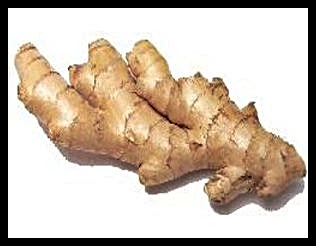
When I’m read to the website, I have found that ginger has the benefit to us. And I am thinking that we always eating the ginger everyday for food or drink at home or eat at outside.
Ginger has been used as a natural remedy for many ailments for centuries. Now, science is catching up and researchers around the world are finding that ginger works wonders in the treatment of everything from cancer to migraines. Here are ten health benefits of this powerful herb.
Ovarian Cancer Treatment
Ginger may be powerful weapon in the treatment of ovarian cancer. A study conducted at the University of Michigan Comprehensive Cancer Center found that ginger powder induces cell death in all ovarian cancer cells to which it was applied.
Colon Cancer Prevention
A study at the University of Minnesota found that ginger may slow the growth of colorectal cancer cells.
Morning Sickness
A review of several studies has concluded that ginger is just as effective as vitamin B6 in the treatment of morning sickness.
Motion Sickness Remedy
Ginger has been shown to be an effective remedy for the nausea associated with motion sickness.
Reduces Pain and Inflammation
one study showed that ginger has anti-inflammatory properties and is a powerful natural painkiller.
Heartburn Relief
Ginger has long been used as a natural heartburn remedy. It is most often taken in the form of tea for this purpose.
Cold and Flu Prevention and Treatment
Ginger has long been used as a natural treatment for colds and the flu. Many people also find ginger to be helpful in the case of stomach flus or food poisoning, which is not surprising given the positive effects ginger has upon the digestive tract.
Migraine Relief
Research has shown that ginger may provide migraine relief due to its ability to stop prostaglandins from causing pain and inflammation in blood vessels.
Menstrual Cramp Relief
In Chinese medicine, ginger tea with brown sugar is used in the treatment of menstrual cramps.
Prevention of Diabetic Nephropathy
A study done on diabetic rats found that those rats given ginger had a reduced incidence of diabetic nephropathy (kidney damage).
thank you for reading.. :)
Subscribe to:
Posts (Atom)